If you’ve been looking at our HIAB training page and wondering why there’s no price on it, you’re not alone. Most HIAB training providers work the same way, because the final figure depends on things that are different for every driver. This guide breaks down exactly what drives the cost, what a typical UK course actually charges, and whether it’s worth the outlay.
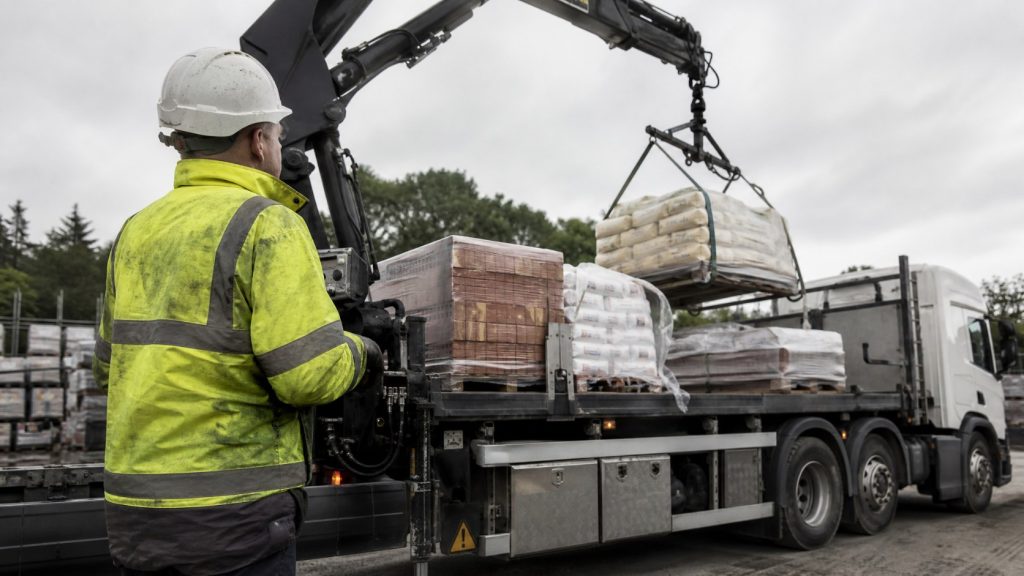
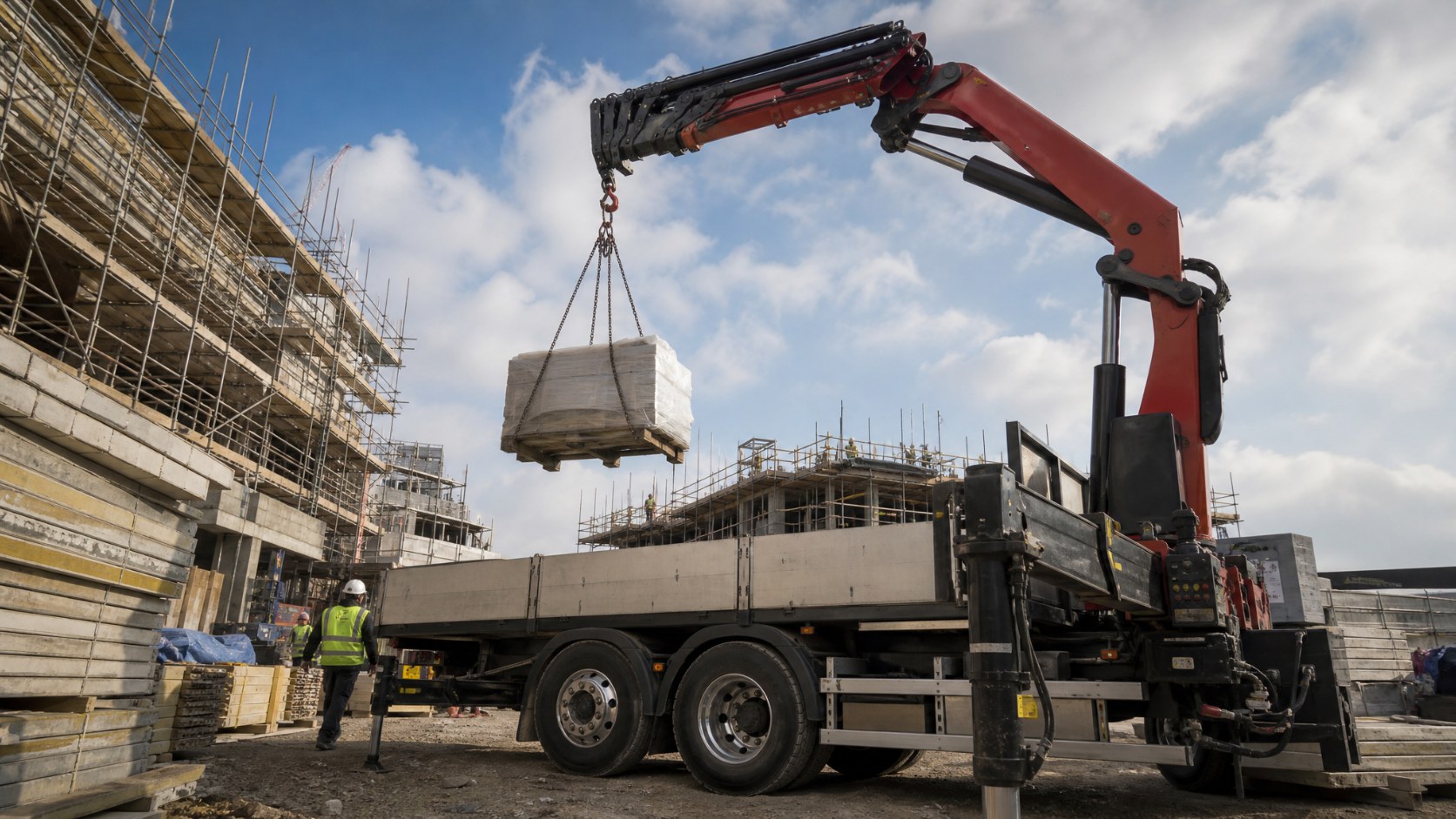
HIAB is a brand name that’s become the everyday word for a lorry-mounted crane, used to load and unload heavy goods without needing a second person or a fixed crane on site. If your job involves operating one, you need recognised operator training on top of the HGV licence for the vehicle you drive.
That training isn’t free, but it’s also not the mystery figure it can feel like when a course page just says “contact us for a quote.” Whether you’re already an HGV driver adding a valuable extra skill, or planning your HGV licence and HIAB training together as one career move, the numbers below should give you a realistic starting point.
What Affects the Price of HIAB Training
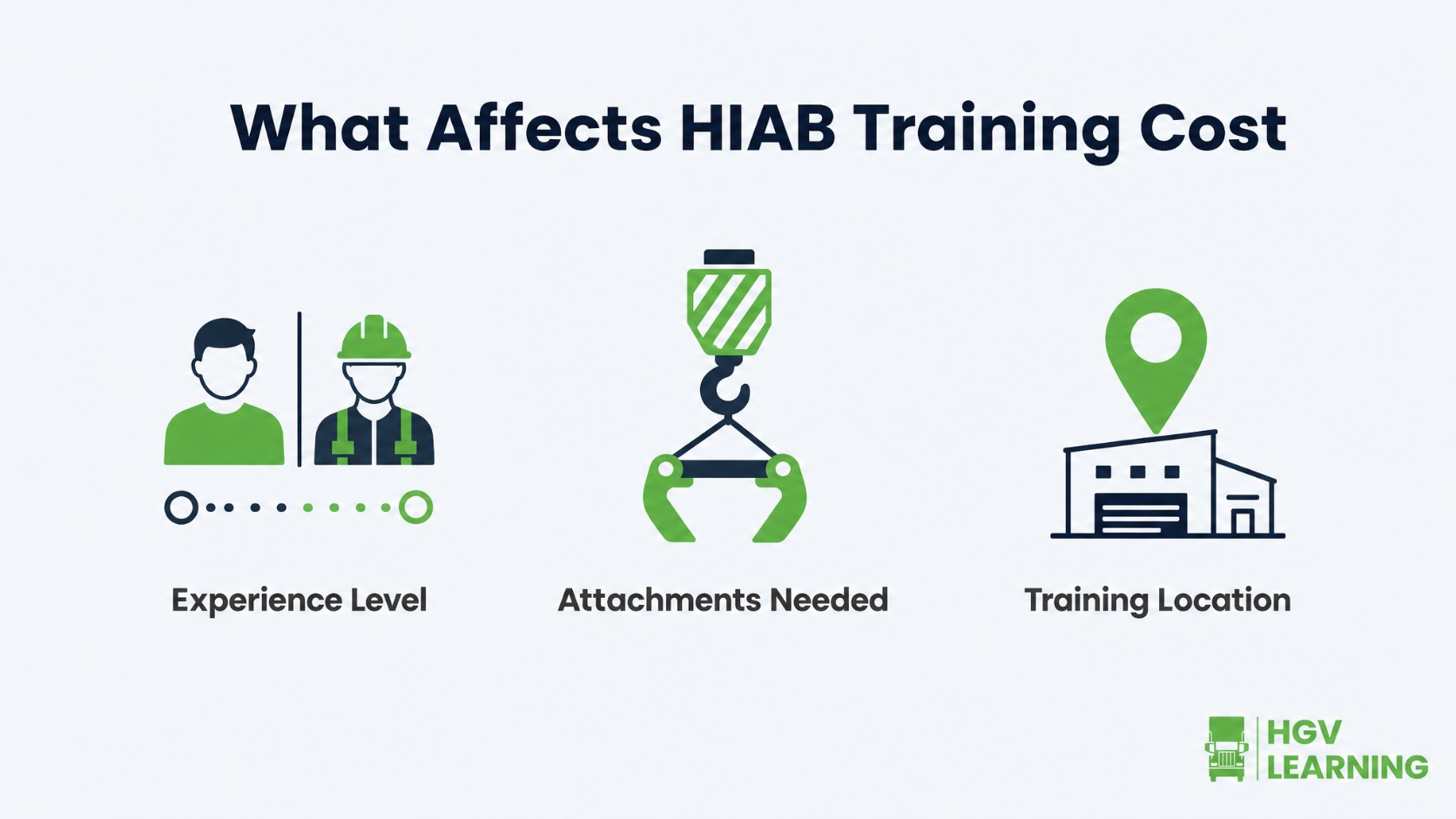
HIAB training costs vary more than most HGV qualifications, because the course itself isn’t one fixed product. Three things do most of the work in setting the final price: your experience level, how many attachments you need, and where the training actually takes place.
Whether You’re a Novice or an Experienced Operator
The single biggest factor is your starting point. A novice course, for someone who has never operated a lorry loader, runs a minimum of two days under ALLMI’s own training standard, and often stretches to three days once you add extra attachments. An experienced operator moving to a new site, employer or crane type can often complete a one-day course instead, provided they can show at least 15 hours of relevant hands-on experience within the past 12 months.
A two or three-day course naturally costs more than a one-day course, simply because you’re paying for extra instructor time, vehicle use and assessment. Providers usually ask for evidence of recent experience, such as a reference from a previous employer or timesheets, before booking you onto the shorter route, so it’s worth having that ready rather than turning up and hoping it’s taken on trust.
How Many Attachments You Need Certifying On
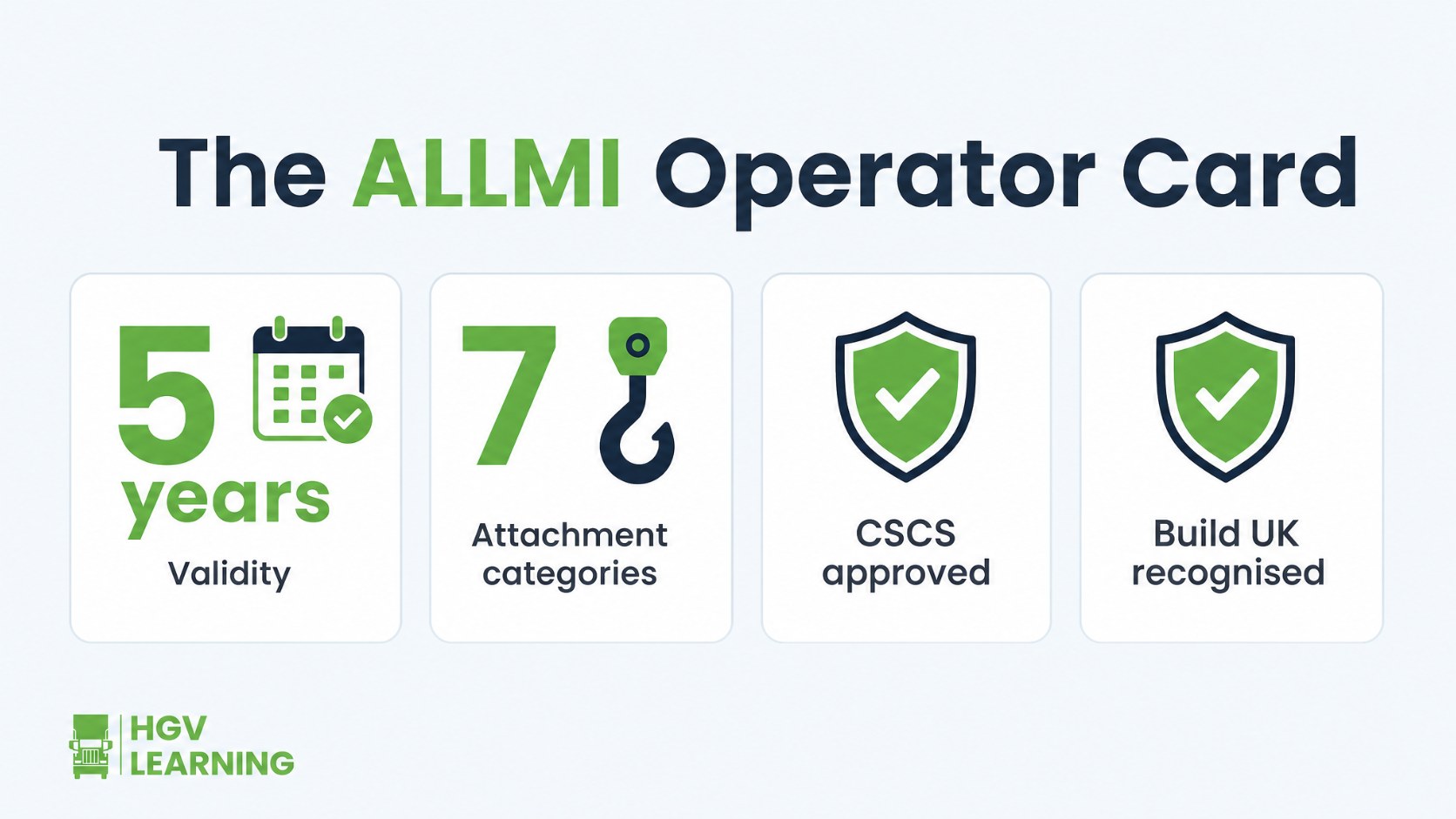
ALLMI splits lorry loader operation into seven categories by attachment type, covering hooks, hoists, clamshells, brick grabs, pallet forks, augers and other specialist gear. Your card only covers what you’ve actually been trained and assessed on, and each category also has capacity bands underneath it.
Most drivers start with a hook attachment, since it’s the most common in general haulage and builders’ merchant work. Adding a second or third attachment, such as a brick grab or pallet fork, extends the course and adds to the price, but it also makes you more useful to employers who handle mixed loads across a working day.
The number quoted for HIAB training is really a number quoted for attachments and experience. Each extra attachment adds assessment time and cost, but it also adds to what you can be hired to do.
If you’re not sure which attachments you’ll actually need, ask your employer or the employers you’re targeting what their fleet uses before you book. Training on an attachment you’ll never touch is money spent for no practical benefit.
Training Centre vs On-Site Training
You can train at a dedicated centre or have an instructor come to your depot. On-site training is usually charged as a day rate rather than a per-head fee, which can work out considerably cheaper if your employer is putting several drivers through at once, since the cost of the instructor’s time is spread across the group.
For a single driver, a training centre course is often the more economical option, and it also gives you access to a wider range of equipment and attachments than your own depot might have on hand. If you’re self-employed or between jobs, a centre-based course is usually the more practical route.
Typical HIAB Training Costs in the UK
Prices vary between training providers, locations and how the course is structured, but the ranges below reflect what’s typically charged across the UK market at the time of writing.
Course type
Typical duration
Typical UK cost range
Novice operator, single attachment
2 days minimum
£500 – £800
Novice operator, multiple attachments
3 days
£800 – £1,100
Experienced operator refresher or conversion
1 day
£350 – £650
On-site training, per group day (up to 4 candidates)
1 day
£375 – £500 + VAT
ALLMI registration fee (per candidate)
One-off, every 5 years
£30 – £40
These figures are a guide to help you budget, not a quote from HGV Learning. Every driver’s situation is different, and the only way to get an accurate number for your circumstances is to get in touch for a quote based on your experience and the crane you’ll be using.
Geography plays a smaller part than you might expect. Training centres in and around London and the South East tend to sit at the higher end of these ranges, but the difference is usually a matter of tens of pounds rather than hundreds, since instructor time and equipment costs are broadly similar wherever you are in the UK.
What’s Usually Included (and What Sometimes Isn’t)
A HIAB training quote should cover tuition, use of the vehicle and crane during training, the theory and practical assessment, and issue of your ALLMI certificate and operator card. What’s less consistent is whether VAT, the ALLMI registration fee and any Driver CPC hours are bundled in or charged separately.
Tuition and instructor time for the full course length
Use of a lorry loader and relevant attachments during training
The ALLMI theory and practical assessment
Your operator card and certificate once you’ve passed
VAT, which some providers quote separately
The ALLMI registration fee, sometimes billed as an add-on
If a quote looks unusually low, ask what’s excluded before you book. A course that leaves out the registration fee or VAT can end up costing much the same as a more transparent quote once everything’s added up, and it’s a lot less frustrating to know that upfront.
Worth checking too: some providers count HIAB training hours towards your periodic Driver CPC requirement if you’re already a qualified HGV driver. It won’t reduce the price of the course, but it can save you booking separate CPC hours elsewhere, so it’s worth asking when you get your quote.
Do You Legally Need HIAB Training?
Here’s where a lot of confusion comes from. Operating a lorry-mounted crane isn’t controlled by a separate DVLA licence category the way driving an HGV is. There’s no legal requirement, in the strict sense, to hold an ALLMI operator qualification before you touch the controls.
What the law does require is that anyone operating lifting equipment is trained and competent to do so. In practice, that’s exactly what the ALLMI card exists to prove, and most sites, builders’ merchants and employers won’t let you operate a HIAB without one regardless of the legal minimum. Insurers often take the same view, and a claim involving an untrained operator can be far harder to settle.
ALLMI certification isn’t a legal requirement in the same way a driving licence is, but try finding a site that will let you operate a crane without one.
The ALLMI Card Explained
The ALLMI operator card is issued once you’ve passed the theory and practical assessment, and it registers you on the ALLMI operator database. The training itself is CSCS-approved and recognised by Build UK, which matters if you’ll be working on construction sites that check for it at the gate before letting anyone onto the crane.
How Long Does Certification Last?
An ALLMI card and certificate are valid for five years from the date of issue. After that, you’ll need refresher training to keep operating legally under your employer’s insurance and site rules. It’s worth diarising your renewal date well ahead of time, since a lapsed card can mean being turned away from a site until it’s sorted.
The equipment itself is on a separate schedule from your card. Lifting equipment, including lorry-mounted cranes, needs a thorough examination at regular intervals under the Lifting Operations and Lifting Equipment Regulations (LOLER), and it’s the employer or whoever controls the equipment who’s responsible for arranging it, not the operator.
Which HGV Licence Do You Need Before HIAB Training?
HIAB training sits on top of an HGV licence, not instead of one. Most HIAB-equipped vehicles fall into one of three licence categories, and which one you need depends on the vehicle you’ll actually be driving and loading day to day.
A C1 licence covers vehicles between 3,500kg and 7,500kg, common on smaller HIAB-fitted vans and trucks used for local deliveries.
A Cat C licence covers rigid vehicles up to around 32 tonnes, the most common base vehicle for a HIAB fitted to a builders’ merchant or general haulage lorry.
A C+E licence is needed for articulated combinations, used where the HIAB is fitted to a larger rig hauling trailers over longer distances.
Get your HGV licence sorted first, then book your HIAB training once you know which vehicle you’ll actually be driving. Booking the wrong way round can mean training on equipment you’re not yet licensed to use, which wastes the training and means paying for it again later.
If you’re planning both together as a career change, it’s worth budgeting for the HGV licence and the HIAB course as two separate costs rather than one combined figure, since most training providers and finance options treat them that way.
Is HIAB Training Worth the Cost? Career and Pay Outlook
A HIAB qualification adds a genuinely useful skill to an HGV licence, because it means you can self-load and self-unload rather than relying on someone else on site. That makes you more flexible to schedule and more valuable to an employer running a small fleet or covering multiple drop-off sites in a day.
HIAB-qualified drivers are consistently in demand across a few specific sectors:
Builders’ merchant deliveries, where self-unloading at customer sites is the norm
Construction site work, moving materials and equipment around a build
Waste and recycling, particularly skip and container handling
Plant hire, delivering and collecting machinery that needs crane assistance
On pay, recruitment data from Reed puts the average HIAB driver salary in the UK at around £42,100 a year, with typical roles clustering close to that figure rather than spread widely either side of it. That’s a meaningful step up from a standard HGV driving role without the added skill, and the gap is usually enough to recover the cost of training within the first few months in the job.
The training pays for itself quickly for most drivers. A HIAB qualification typically adds several thousand pounds a year to what an employer will pay, against a one-off course cost usually well under £1,000.
The pay difference tends to hold up across regions too, since HIAB skills are in demand wherever construction, builders’ merchants and waste handling operate, rather than being concentrated in one part of the country. That makes it a more portable qualification than some sector-specific driving skills.
Paying for HIAB Training: Your Options
How you pay for HIAB training often depends on whether you’re already employed or training up before you look for work. It’s worth checking each route before assuming you’ll have to cover the full cost yourself.
Employer-Funded Training
Many employers will pay for HIAB training for existing drivers, particularly if adding the skill fills a genuine gap in the fleet’s capability. If you’re already driving for a builders’ merchant, construction firm or plant hire company, it’s worth asking your manager directly rather than assuming it isn’t on offer.
Self-Funded and Payment Plans
If you’re funding it yourself, most training providers, including HGV Learning, offer part-payment options or a payment plan spread over several months rather than asking for the full amount upfront. That can make the difference between booking now and putting it off for another year.
Don’t assume you have to fund HIAB training entirely yourself before you’ve asked your employer. It’s a cheap way for them to add flexibility to a fleet, and plenty will say yes.
Common Mistakes That Push the Price Up
A few avoidable mistakes tend to explain why some drivers end up paying more than they needed to.
Booking a novice course when you actually qualify for the shorter, cheaper experienced route
Training on attachments you won’t use in your actual job, adding days and cost for no benefit
Not asking whether VAT and the registration fee are included before comparing quotes
Leaving refresher training until after your card has already lapsed, sometimes forcing a full novice re-take
Choosing the cheapest quote without checking it’s an ALLMI-accredited, CSCS-approved course
Most of these come down to asking the right questions before you book, rather than after you’ve paid. A five-minute call to check your options usually costs nothing and can save a genuine chunk of the final bill.
It’s also worth asking what happens if you don’t pass first time. Some providers include a free or discounted retake within a set period, while others charge the full course fee again. That policy rarely appears on a website, so ask before you book rather than finding out the hard way.
How to Choose a HIAB Training Provider
Not all lorry loader training is equal, and price shouldn’t be the only thing you compare. Before you book, it’s worth checking a few things with any provider.
Are they an ALLMI-accredited centre, and is the course CSCS-approved?
Which attachment categories does the course actually cover?
Is the group size small enough for genuine hands-on practical time?
Can they train on-site at your depot if you’re putting through several drivers?
What does refresher training cost when your five-year card expires?
Is VAT and the ALLMI registration fee included in the quoted price?
A provider that answers these clearly, without pushing you towards the most expensive package, is usually the one worth booking with.
Frequently Asked Questions
Do I need a special licence to operate a HIAB crane?
No separate DVLA licence category exists for HIAB operation. You need the HGV licence for the vehicle you’re driving, plus recognised ALLMI operator training for the crane fitted to it.
Is an ALLMI card a legal requirement?
Not in the strict legal sense, but the law requires anyone operating lifting equipment to be trained and competent. Most employers and sites treat the ALLMI card as the standard proof of that, and won’t let you operate without one.
How long does HIAB training take?
A minimum of two days for a novice operator, or one day for an experienced operator who can show at least 15 hours of relevant experience in the past 12 months.
How long does an ALLMI card last before I need to renew it?
Five years from the date of issue, after which you’ll need refresher training to keep your certification current.
Can HIAB training be done on-site at my depot?
Yes, most accredited providers offer on-site training, usually charged as a day rate. It tends to work out more cost-effective when you’re training several drivers at once rather than a single operator.
Can I count HIAB training towards my Driver CPC hours?
Some providers structure HIAB courses so the hours count towards your periodic Driver CPC requirement. It’s not automatic, so confirm this with your provider before you book if it matters to your CPC schedule.
What happens if my ALLMI card expires while I’m still working?
Once your card lapses, you’re no longer certified to operate under most employers’ insurance and site access rules. Book refresher training ahead of your renewal date rather than waiting until it expires.
If you’re weighing up HIAB training against the cost of the HGV licence itself, our repayment calculator can help you plan the full picture, and our FAQs page covers common questions about financing your training. For a straight answer on what your HIAB training would actually cost, get in touch with HGV Learning and we’ll quote based on your experience and the vehicle you’re driving.
What Age Can You Start HGV Driver Training? A 2026 UK Guide to Licence Age Requirements
If you're asking what age you can start HGV driver training, the honest answer depends on which licence you're after. A C1 licence, covering vehicles...