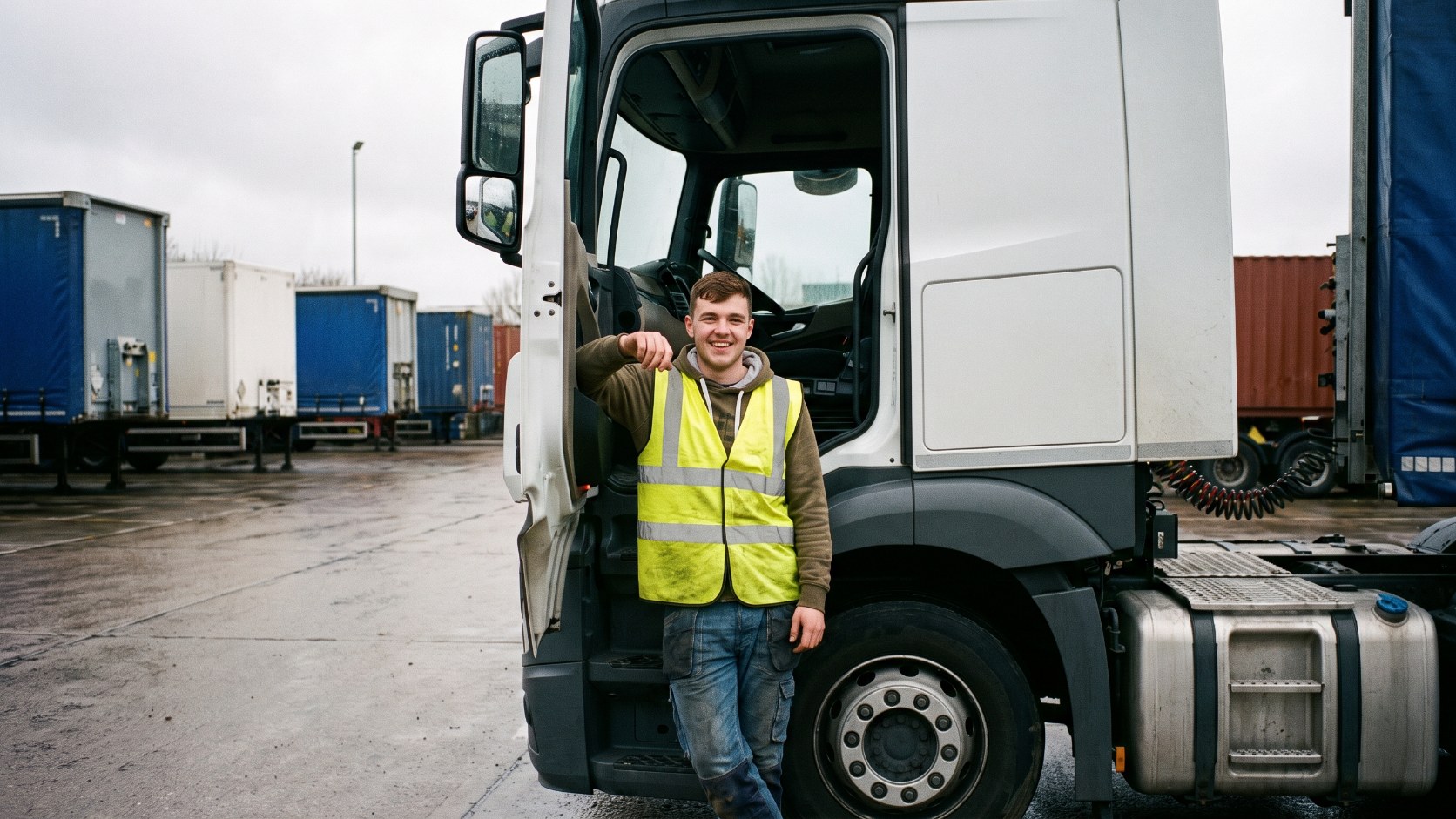
Class 2 (Category C) training is where most HGV careers actually start, and there’s good reason for that. It’s a lower barrier to entry than going straight for an articulated licence, but it still opens up genuine, well-paid driving work on its own. Here’s what training for Class 2 actually gets you.
A Realistic Entry Point Into HGV Driving
Category C covers rigid HGVs over 7.5 tonnes — think skip lorries, tippers, box vans, and refuse vehicles. It’s a smaller step up from a car licence than going straight for C+E (Class 1), which makes it the most common starting licence for people moving into HGV driving from a different career.
Where Class 2 Actually Leads to Work
Class 2 drivers are in steady demand across a wide range of sectors:
- Local and regional delivery and distribution
- Construction supply (tippers, skip lorries, mixer vehicles)
- Waste and refuse collection
- Retail and wholesale supply chains
Because the work spans so many industries, Class 2 qualified drivers generally aren’t limited to one type of employer the way some more specialist licences can be.
Class 2 is rarely the end of the road — for most drivers, it’s the licence that gets them earning while they build the experience to move up to Class 1.
What Class 2 Pays
Category C permanent roles typically pay £28,000–£36,000 a year, with agency rates around £16–£20 an hour, according to current UK market data from Aspion’s 2026 salary guide. That’s a solid income on its own, and it’s before factoring in overtime, which is common in delivery and distribution roles. For the full picture across licence categories, see our HGV driver salary guide.
Class 2 as a Stepping Stone
Most drivers who move on to Class 1 do so after building real Category C experience first. Employers offering C+E training or roles often look favourably on candidates who already have a clean Class 2 driving record, since it shows you can already handle the responsibilities of professional driving before adding an articulated vehicle into the mix. If moving up is the plan from day one, our guide to what actually affects HGV driver pay covers exactly how much of a jump that step tends to be.
Adding Specialisms Without Starting Over
Once you’re Class 2 qualified, you don’t need to retrain from scratch to increase your earning potential. Adding an ADR qualification for hazardous goods, or HIAB training for crane-assisted loads, both work on top of a Class 2 licence and can open up better-paid roles without needing Class 1.
Frequently Asked Questions
How long does Class 2 training take?
It varies depending on your starting point and how quickly you can book your medical, theory and practical tests, but most drivers are fully qualified within a matter of weeks.
Is Class 2 a dead end if I want to earn more later?
No — it’s a genuine stepping stone. Most drivers use Class 2 experience to move into C+E training or add specialist qualifications once they’re working.
Do employers prefer Class 2 experience before hiring for Class 1 roles?
Often, yes. A clean Class 2 driving record is generally seen as good evidence of reliability before an employer commits to training or hiring someone for articulated work.
Thinking about starting with Class 2? See our Category C training course or get in touch to talk through your options.
Related Reading